
In brief
If you already use Odoo, the ERP has technically met, for several versions now, the objectivity and reliability criteria required by Europe for measuring working time: clocking in via the Attendances app, Kiosk Mode on a tablet, Timesheets for projects, and a bridge to payroll.
In Belgium, biometrics (fingerprints, facial recognition) are prohibited by the APD (Data Protection Authority) for simply tracking working hours. The compliant answer remains Kiosk Mode (RFID badge, QR code or PIN code).
V20 notably adds a timesheet entry assistant and unified clocking in with task launch.
Why working time tracking is stirring up Belgian businesses ?
Between the federal budget agreement targeting 1 January 2027 and the repeated rulings of the Court of Justice of the European Union (CJEU), measuring working time is stirring up the Belgian business world. Sellers of physical time clocks are taking advantage of this to dramatise the situation.
But if you already use Odoo, rest assured: the ERP has technically met the objectivity and reliability criteria required by Europe for several versions now. What remains is understanding how the time ecosystem works in Odoo, from the morning clock-in to the payslip, via your projects and your field teams. And above all: what is V20 preparing to simplify time entry ?
Here is the full analysis, without a sales brochure.
Going further :
Niboo has prepared a complete summary that synthesises the criteria of Belgian law and the certified options available, as well as how to set all of this up properly :
See our file : Pointage électronique en Belgique & solutions certifiées
I. Odoo V19: legal compliance already available as standard
European case law (the CCOO and Loredas rulings) requires employers to put in place an "objective, reliable and accessible" system to measure daily working time. Odoo V19 fully meets these requirements through its native applications :

2. The Time Off app
Clocking in is worthless if it is not put into context. Odoo automatically synchronises approved absences (paid leave, compensatory time off, medical certificate) with the work schedule. If an employee does not clock in on a Tuesday because they are on approved leave, the system records no unjustified absence anomaly.
1. The Attendances app
Multi-device : instant clocking in from a web browser, the mobile app or a shared tablet at the entrance (Kiosk Mode).
Legal traceability : each clock-in records the employee's identity, the exact second and, if enabled, a one-off geolocation point at the time of the click (no continuous tracking).
Variance control : managers see in real time the comparison between the theoretical contractual schedule and the actual badged hours.
II. From raw clocking to profitability: Projects, Field Service and Payroll
The real value of an integrated ERP does not lie in clocking in on its own, but in the flow of data across your entire management.
1. Timesheets and Projects
While the Attendances app monitors compliance with the 38 legal hours, Timesheets break the work down by file:
Direct timer : start a real-time stopwatch directly from a task.
Time & Material invoicing : hours validated by the project manager automatically feed client invoicing.
Cost price : the employee's hourly cost is allocated to the project's analytic account to show your real margin instantly.
2. Field Service
For travelling teams and technicians on the road, the Field Service app includes time tracking on mobile.
The technician starts the timer on arrival on site.
They document their intervention (photos, parts used deducted from their van's stock).
- The client signs directly on the smartphone screen: the intervention report includes the certified hours worked, ready for invoicing.

3. The bridge to Payroll
At the end of the month, Odoo automatically compiles attendances and absences into Work Entries :
The system sorts normal hours, premium overtime hours, paid leave and temporary unemployment due to economic reasons.
This data is cleanly exported in the format expected by your Belgian social secretariat (standardised CSV/Excel), or injected directly into the calculation engine if you activate the new Partena Professional real-time connector. (Read our newsletter on the subject, it's here)
III. Odoo V20: what the dev labs are preparing
Version 20 brings notable changes to make teams' daily lives easier.
1. The "Timesheets Assistant" (TS Tracker) : no more Friday-evening chore
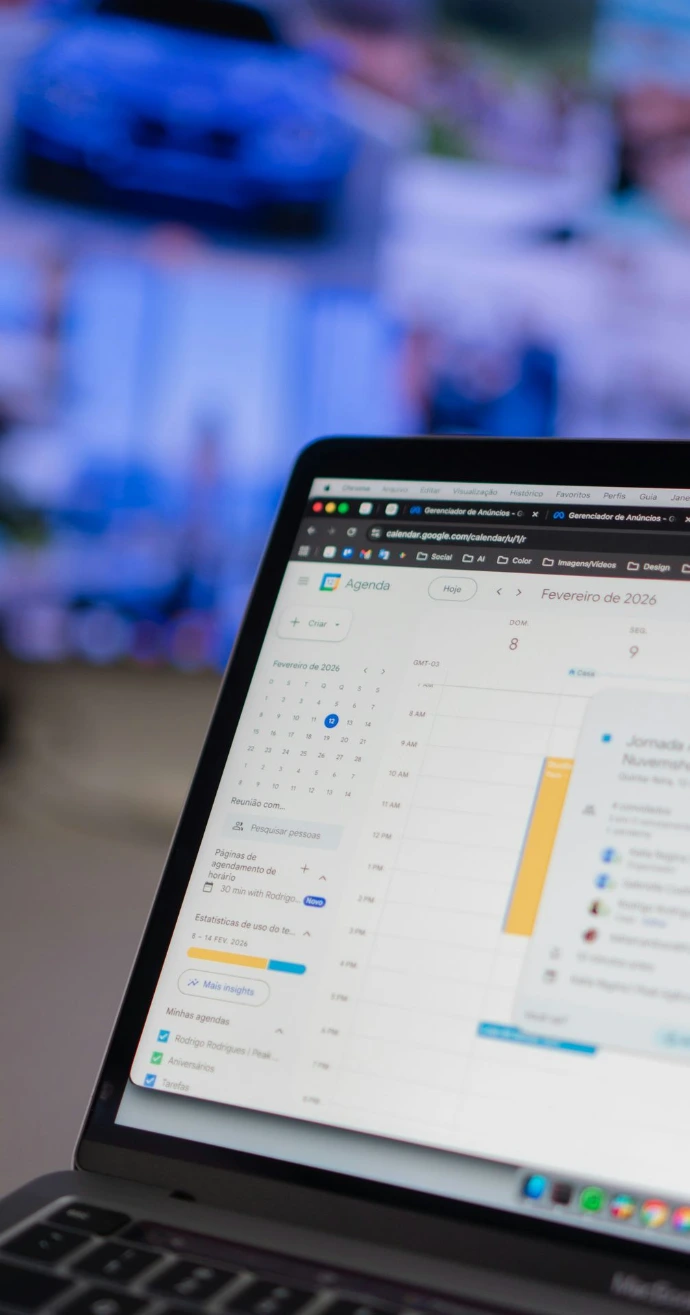
It used to be the Friday-evening chore: reconstructing from memory what you did on Tuesday afternoon. V20 introduces a smart entry assistant. The tool analyses your calendar (past meetings), your processed tickets and your software activity to suggest a pre-filled schedule of hours. The employee reviews the suggested blocks and clicks "Validate" to convert this data into real timesheets.

2. Unifying the Systray : clocking in + task in 1 click
In V20, clocking in on arrival and starting your first task no longer takes two separate actions. The attendance icon in the top bar directly integrates the project timer : as soon as you clock in, you can select your task without changing screens.
3. Physical terminals and biometrics : beware of false hopes
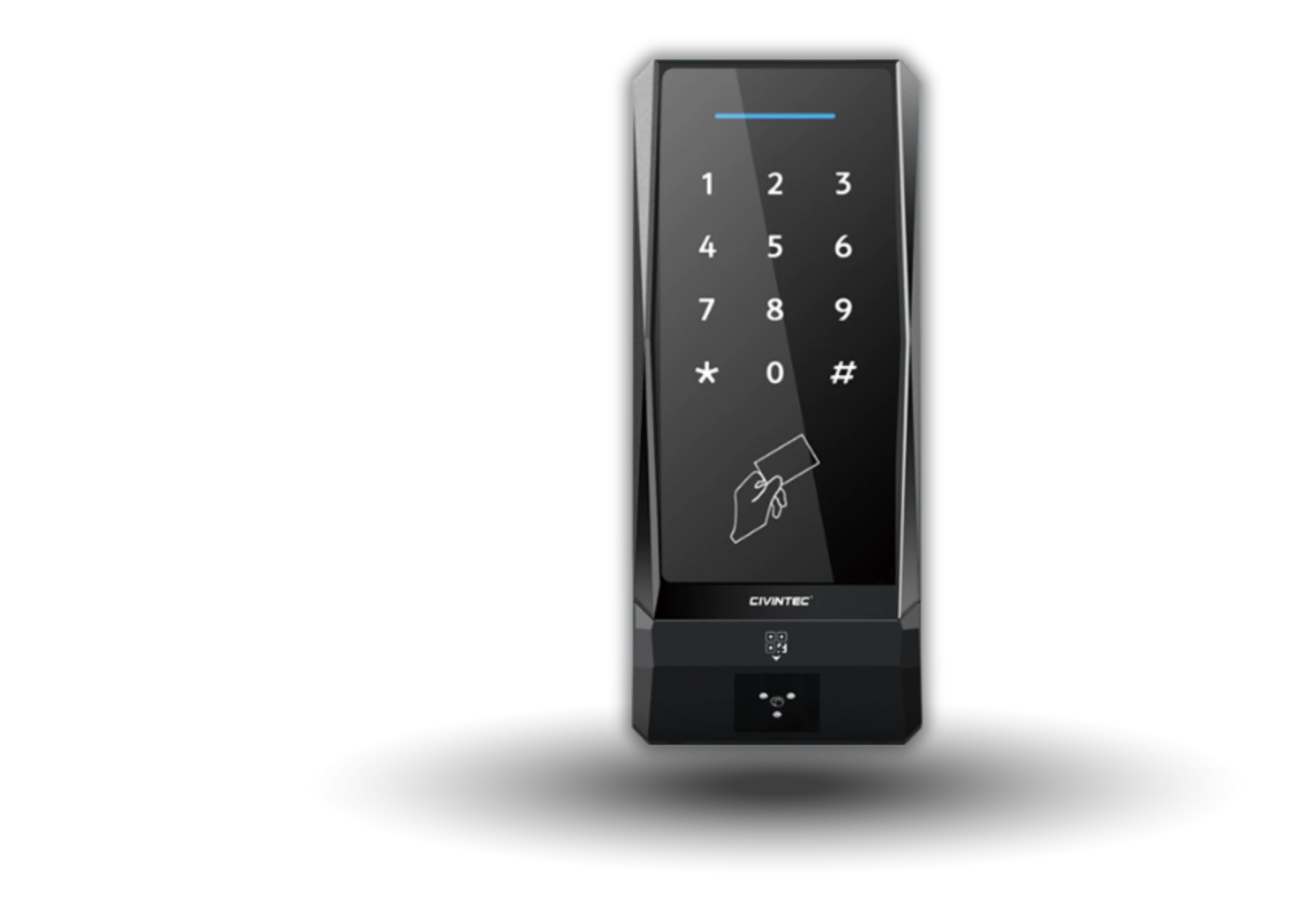
Analyses of pre-release versions (V20 development builds) carried out by external technical firms reveal that Odoo is experimenting with inbox models to capture feeds from physical terminals (ZKTeco, Mantra) via webhooks. But beware of the Belgian legal reality :
What the APD says : the Data Protection Authority (APD) in Belgium strictly prohibits the use of biometric data (fingerprints, facial recognition) for simply tracking employees' working hours (GDPR proportionality principle).
In Belgium, the standard and fully compliant answer remains Kiosk Mode on a tablet (RFID badge, individual QR code or PIN code). It is native, economical, and spares you any risk of GDPR sanctions. For industrial companies that absolutely insist on a physical factory time clock, integration continues to rely on third-party modules or specialised middleware.

IV. The "No Filter" section: the 3 field traps to anticipate
1. The cultural confusion between Attendance and Timesheet
Employees often imagine that clocking in on arrival (Attendances) magically fills in their project hours (Timesheets). These are two distinct approaches. Without initial training, you will have impeccable attendance records but projects with no hours entered at all.
2. The forgotten weekend timer
The stopwatch started on Friday at 4:45 p.m. that keeps running until Monday morning because the employee closed their laptop without clicking "Pause". Plan alert rules and daily closing rules with your integrator to avoid 72-hour time records.
3. Offline mode in the field
If your Field Service technicians work in basements or dead zones, make sure the local synchronisation of their time reports runs correctly as soon as the network connection returns.
Odoo V19 meets this specification through its native applications (Attendances, Time Off, Timesheets), with clocking recorded to the second and linked to the employee's identity. The configuration must be adapted to your organisation, which your integrator can help you frame.
Attendances records arrival and departure times (the legal framework), whereas Timesheets break these hours down across projects or client files. Clocking in on arrival therefore does not automatically fill in project hours.
Not for simply tracking working hours: the APD prohibits the use of fingerprints or facial recognition, in the name of the GDPR proportionality principle. Kiosk Mode (RFID badge, QR code or PIN code) is the compliant answer.
Yes. Odoo compiles attendances and absences into Work Entries, which can be exported as standardised CSV/Excel, or injected directly into the calculation engine with the Partena Professional real-time connector.
V20 introduces the Timesheets Assistant, which suggests pre-filled timesheets based on your calendar and activity, as well as a unified Systray that lets you clock in and choose your task in one click.

Conclusion : don't wait for the social inspector
Setting up time tracking in Odoo is not about pleasing the Belgian legislator. It is above all about :
Eliminating double administrative entry at the end of the month.
Knowing precisely the profitability of each site and client contract.
Objectifying your teams' workload to prevent overload and clarify overtime.
Niboo, an Odoo integrator, configures these modules taking your field reality into account : a tablet at reception, clear mobile access for travelling staff, and a clean link with your projects and your social secretariat.
Feel free to check out our latest updates on our social media channels :
And in your organisation ?
How do you measure working time on Odoo today ? Manual timesheets, live timer or simple Kiosk clocking? Let's discuss it in the comments!
Don't wait for January 2027 and the effective implementation of the law to think about it. Plan your Odoo time-tracking audit today.
Mandatory Time Tracking in Belgium: Get Your Business Compliant by 2027 with Niboo.
Badge tracking, QR or mobile, directly linked to your contracts, leave, and payroll in Odoo. Free 30-minute audit, we'll tell you what you're missing.
Obtain my compliance plan
 .